
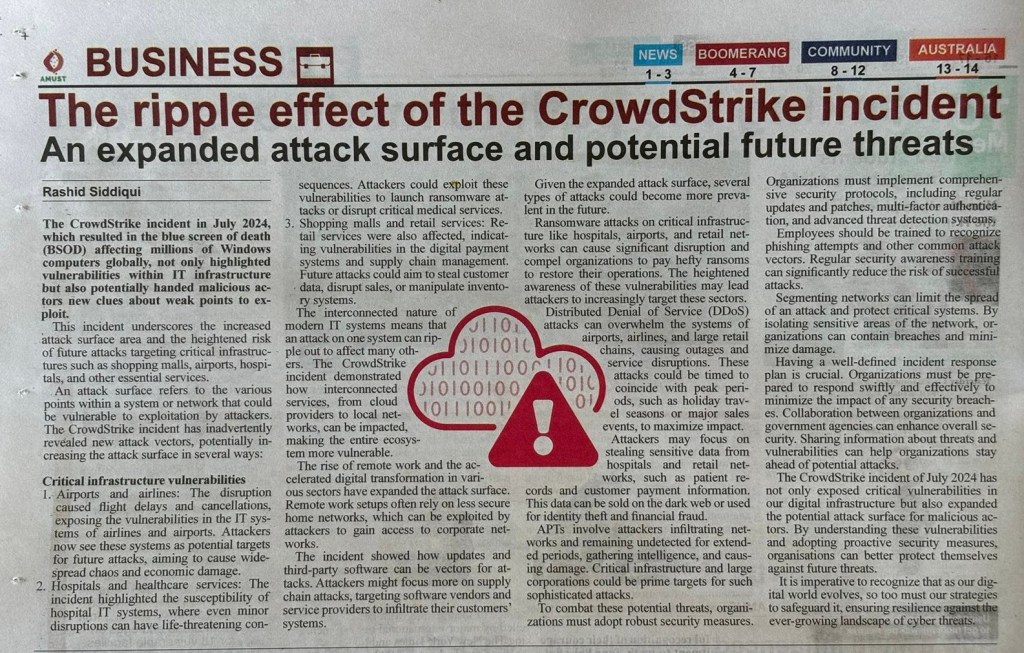
The Ripple Effect of the CrowdStrike Incident – An Expanded Attack Surface and Potential Future Threats
The CrowdStrike incident in July 2024, which resulted in the blue screen of death (BSOD) affecting millions of Windows computers globally, not only highlighted vulnerabilities within IT infrastructure but also potentially handed malicious actors new clues about weak points to exploit. This incident underscores the increased attack surface area and the heightened risk of future attacks targeting critical infrastructures such as shopping malls, airports, hospitals, and other essential services.
If you missed my previous blog explaining the CrowdStrike Incident, you can refer it here: Understanding the CrowdStrike Incident of July 2024
The Expanded Attack Surface
An attack surface refers to the various points within a system or network that could be vulnerable to exploitation by attackers. The CrowdStrike incident has inadvertently revealed new attack vectors, potentially increasing the attack surface in several ways:
Critical Infrastructure Vulnerabilities
- Airports and Airlines: The disruption caused flight delays and cancellations, exposing the vulnerabilities in the IT systems of airlines and airports. Attackers now see these systems as potential targets for future attacks, aiming to cause widespread chaos and economic damage.
- Hospitals and Healthcare Services: The incident highlighted the susceptibility of hospital IT systems, where even minor disruptions can have life-threatening consequences. Attackers could exploit these vulnerabilities to launch ransomware attacks or disrupt critical medical services.
- Shopping Malls and Retail Services: Retail services were also affected, indicating vulnerabilities in the digital payment systems and supply chain management. Future attacks could aim to steal customer data, disrupt sales, or manipulate inventory systems.
Increased Interconnectivity
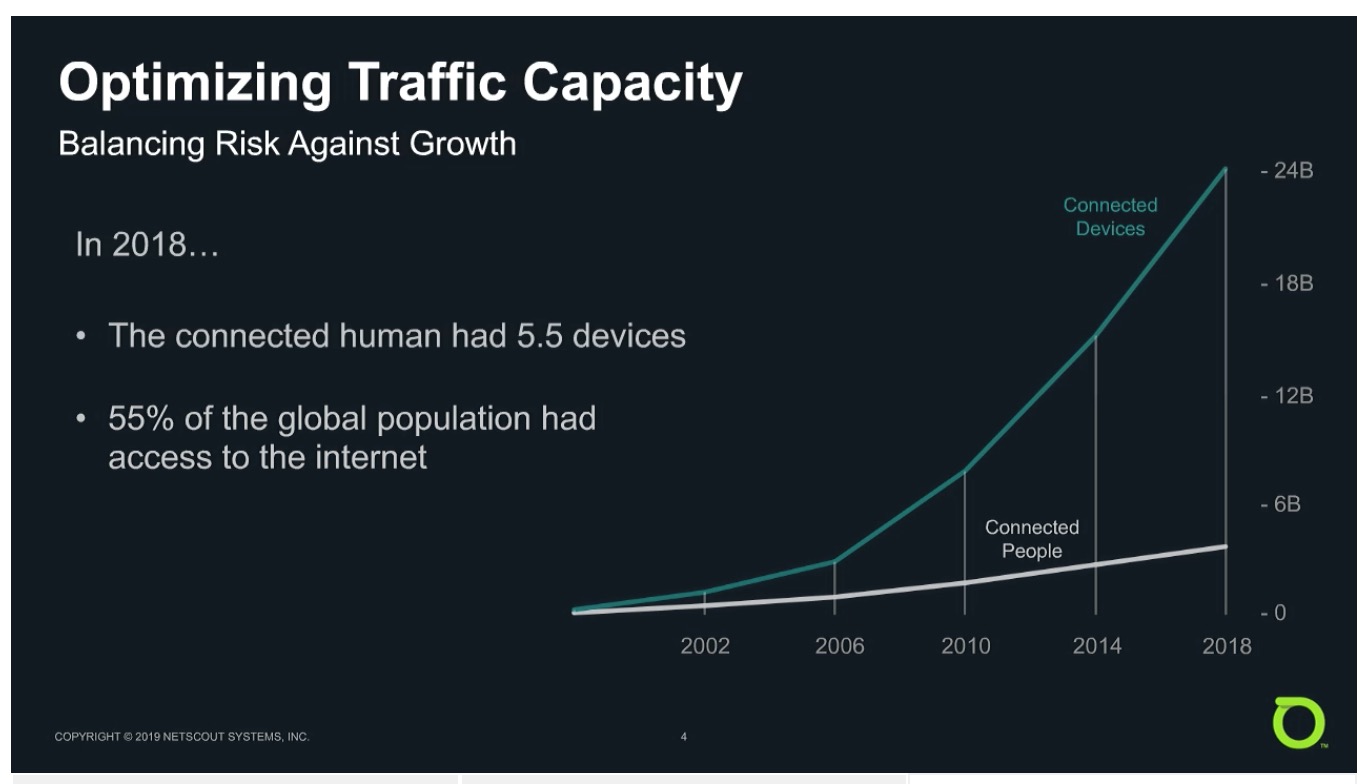
The interconnected nature of modern IT systems means that an attack on one system can ripple out to affect many others. The CrowdStrike incident demonstrated how interconnected services, from cloud providers to local networks, can be impacted, making the entire ecosystem more vulnerable.
Remote Work and Digital Transformation
The rise of remote work and the accelerated digital transformation in various sectors have expanded the attack surface. Remote work setups often rely on less secure home networks, which can be exploited by attackers to gain access to corporate networks.
Supply Chain Attacks
The incident showed how updates and third-party software can be vectors for attacks. Attackers might focus more on supply chain attacks, targeting software vendors and service providers to infiltrate their customers’ systems.
Potential Future Attacks
Given the expanded attack surface, several types of attacks could become more prevalent in the future:
Ransomware Attacks
Ransomware attacks on critical infrastructure like hospitals, airports, and retail networks can cause significant disruption and compel organizations to pay hefty ransoms to restore their operations. The heightened awareness of these vulnerabilities may lead attackers to increasingly target these sectors.
DDoS Attacks
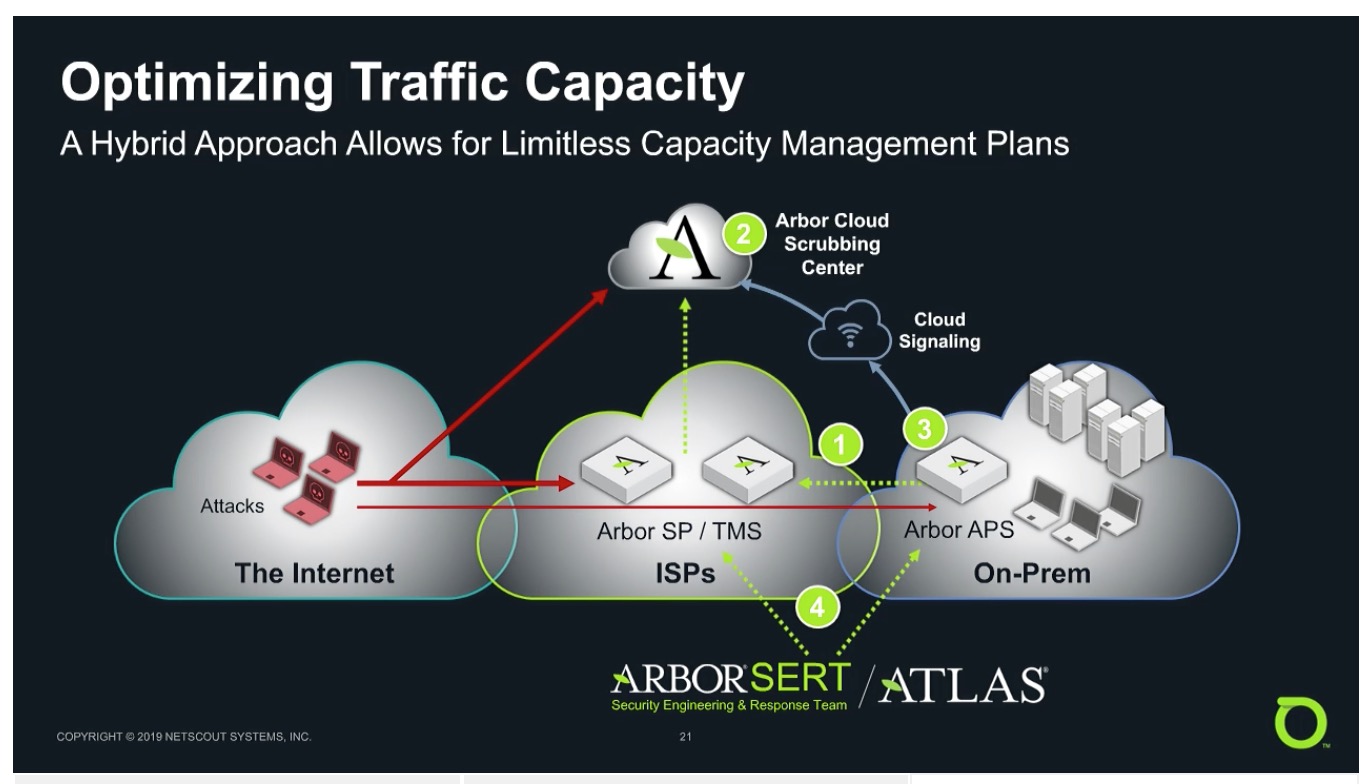
Distributed Denial of Service (DDoS) attacks can overwhelm the systems of airports, airlines, and large retail chains, causing outages and service disruptions. These attacks could be timed to coincide with peak periods, such as holiday travel seasons or major sales events, to maximize impact.
Data Breaches and Theft
Attackers may focus on stealing sensitive data from hospitals and retail networks, such as patient records and customer payment information. This data can be sold on the dark web or used for identity theft and financial fraud.
Advanced Persistent Threats (APTs)
APTs involve attackers infiltrating networks and remaining undetected for extended periods, gathering intelligence, and causing damage. Critical infrastructure and large corporations could be prime targets for such sophisticated attacks.
Mitigating the Risks
To combat these potential threats, organizations must adopt robust security measures:
Enhanced Security Protocols
Organizations must implement comprehensive security protocols, including regular updates and patches, multi-factor authentication, and advanced threat detection systems.
Employee Training and Awareness
Employees should be trained to recognize phishing attempts and other common attack vectors. Regular security awareness training can significantly reduce the risk of successful attacks.
Network Segmentation
Segmenting networks can limit the spread of an attack and protect critical systems. By isolating sensitive areas of the network, organizations can contain breaches and minimize damage.
Incident Response Planning
Having a well-defined incident response plan is crucial. Organizations must be prepared to respond swiftly and effectively to minimize the impact of any security breaches.
Collaboration and Information Sharing
Collaboration between organizations and government agencies can enhance overall security. Sharing information about threats and vulnerabilities can help organizations stay ahead of potential attacks.
Conclusion
The CrowdStrike incident of July 2024 has not only exposed critical vulnerabilities in our digital infrastructure but also expanded the potential attack surface for malicious actors. By understanding these vulnerabilities and adopting proactive security measures, organizations can better protect themselves against future threats. It is imperative to recognize that as our digital world evolves, so too must our strategies to safeguard it, ensuring resilience against the ever-growing landscape of cyber threats.
Important References
- “Security Engineering: A Guide to Building Dependable Distributed Systems” by Ross Anderson
- “Building Secure and Reliable Systems: Best Practices for Designing, Implementing, and Maintaining Systems” by Heather Adkins, et al.
- “Zero Trust Networks: Building Secure Systems in Untrusted Networks” by Evan Gilman and Doug Barth
- Research Paper: “Network Segmentation: Architecture and Use Cases” by the SANS Institute

 CISSP Made Easy